
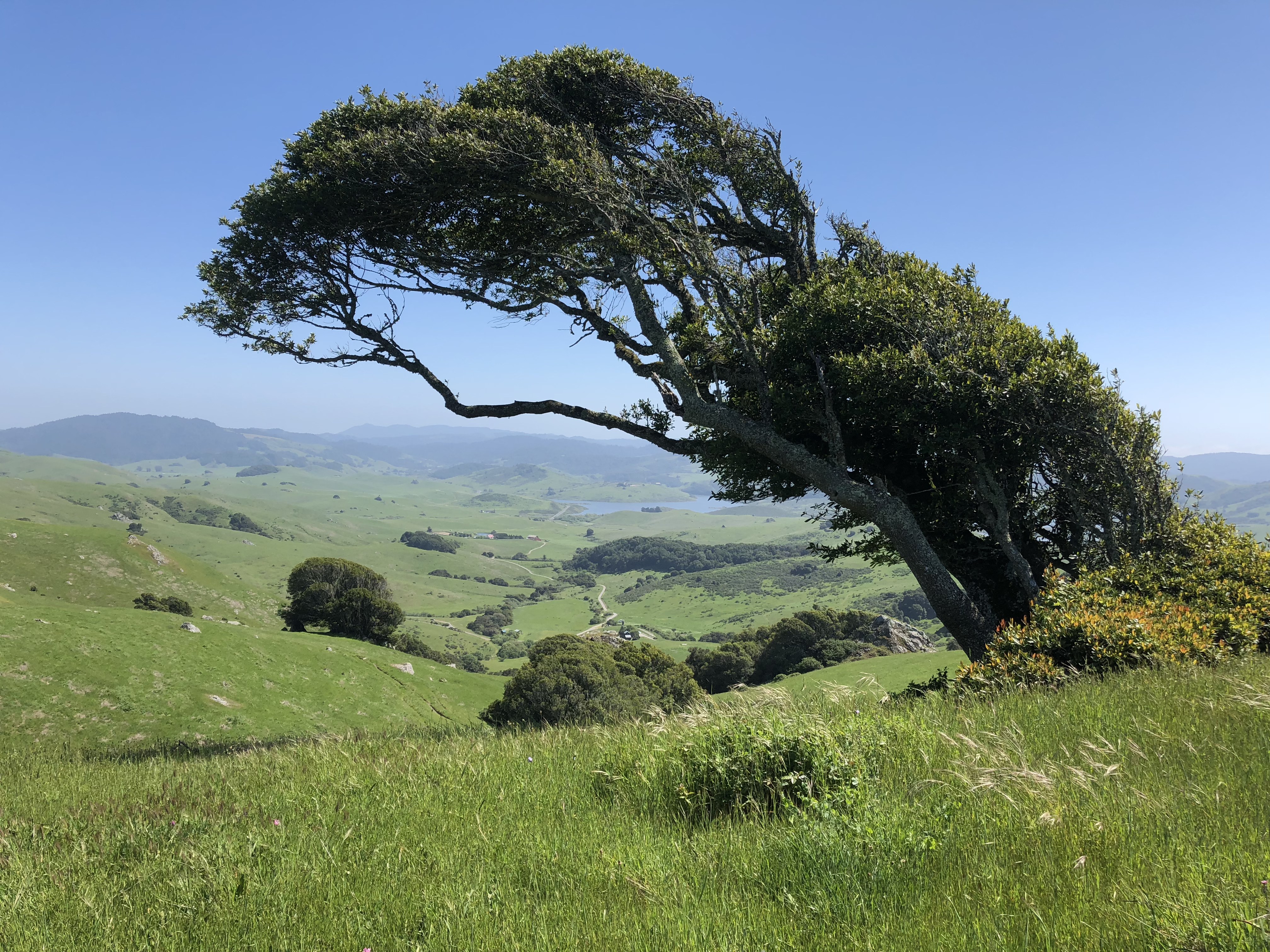
Moving science to action — creating conservation and climate solutions that deliver lasting value for nature & people.
Conservation Science. Systems Strategy. Communication. Partnerships. Impact.
Who We Help
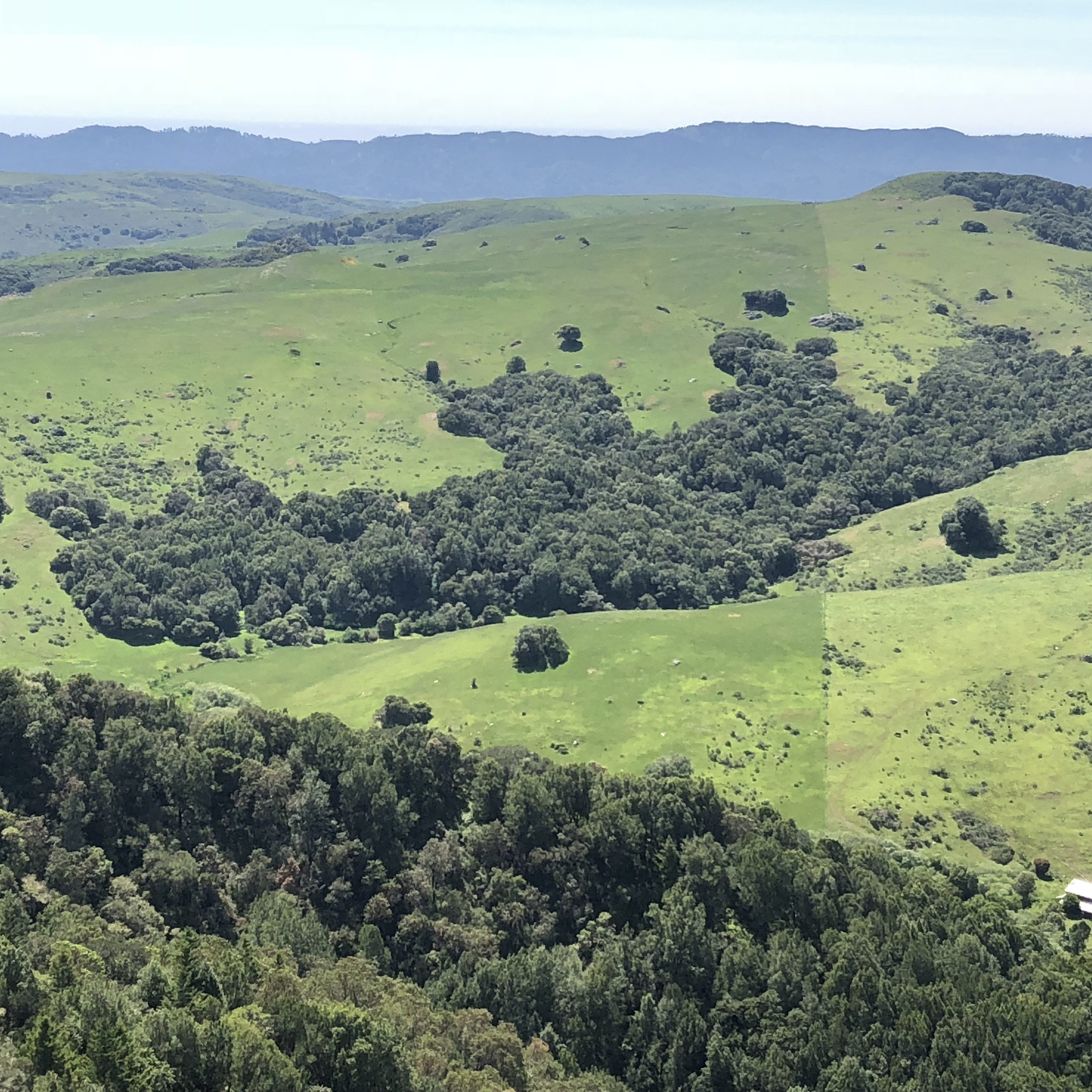
“I’m leading an NGO, agency, academic, or land management program.”
The biggest barriers to conservation success are rarely scientific — they’re failures of strategy, stakeholder alignment, or implementation. We help organizations overcome them.
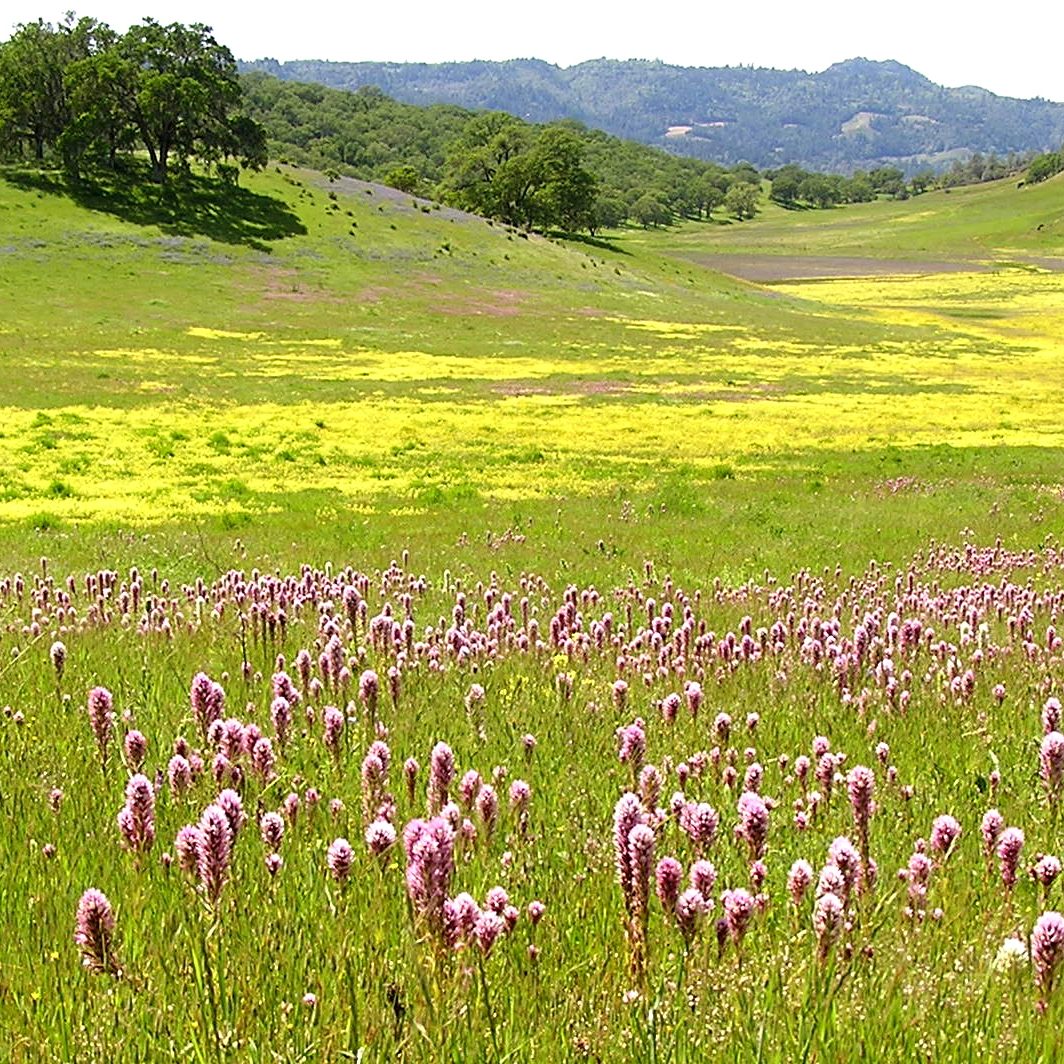
“I fund conservation and climate change-related work.”
Driving conservation and climate capital toward solutions most likely to succeed, generating valuable benefits for nature and people.

“I lead sustainability for a business.”
Turning sustainability ambition into measurable business and environmental value.
1M+
acres in working-lands sustainability standards co-authored and scaled — Grasslands Alliance, Audubon Conservation Ranching
1,340+
peer-reviewed citations · Frontiers in Conservation Science, Associate Editor
1M+
acres of federal public lands protected via expert witness testimony and ESA petition
25+ Years
integrating field ecology, stewardship, and conservation & natural climate solutions strategy across California & the American West
Questions We Help Clients Answer
NGOs, Agencies, Academic Institutions, & Landowners
“Before we commit staff, funding, and our reputation to a strategic decision, how can we be sure it is the right one?”
We vet the strategy before you commit to it — grounding it in the consensus that emerges across many studies, not a single study or advocate that happens to agree with the idea.
Read more
Before NRDC could build a beef sustainability standard, we spent a year synthesizing the sustainable ranching literature into an annotated bibliography evidence base, then codified findings into criteria, best practices, and outcome metrics — the direct precursor to the Grasslands Alliance Standard. We’ve applied the same diligence for the Embers Foundation, Audubon Conservation Ranching, Earthjustice, and BurnBot, among other clients.
“How do we know this is working — and how do we build the stakeholder support to scale it?”
Too many conservation organizations either skip monitoring or never use collected data to identify opportunities to improve management.
Read more
We apply leading adaptive management frameworks (e.g., Conservation Measures Partnership) and trusted metrics systems (e.g., those used by Point Blue Conservation Science’s Rangeland Monitoring Network and the National Resources Inventory). That closes the loop: evidence that improves management, then supports the compelling multimedia storytelling that inspires funding, support, and replication. For Audubon, that meant recommending an M&E framework alongside the communications plan — not after it.
“We’ve got the right stakeholders in the room, but the conversation keeps circling — we need help aligning partners around a strategy that focuses on the goals we share and how we can work together to achieve them.”
Circling usually means the room hasn’t yet identified shared goals — which takes real listening and learning.
Read more
We’ve convened NGOs with genuinely competing theories of change — TNC, WWF, EDF, Audubon, Defenders, Ducks Unlimited, and the Savory Institute among them — to align on a shared vision for sustainable beef production. We’ve done the same at the technical level, collaborating with UC Davis and Cornell scientists to convene 40+ scientists, ranchers, and NGO leaders around a single draft standard.
“We need help understanding our key barriers to success and how to address them to make our program more effective and impactful.”
A program is a system of interconnected parts, and if just one isn’t working to its potential, the whole thing can stall.
Read more
We apply a systems-based approach to diagnose which “cogs” in the machinery of success are working and which need capacity-building investment. For Audubon, that meant surveying national and regional leaders and partners to surface valuable lessons learned during the program’s initial rollout. We identified priority challenges and the solutions interviewees found most promising, then applied those findings to recommend strategic improvements in program design and service offerings.
“We need help improving land management — from fuels reduction and grazing to invasive plant control — to maximize benefits of good stewardship for our site and minimize risks of getting it wrong.”
Poor management causes expensive and time-consuming unintended consequences. For example, an improperly-timed fuels treatment that converts a native grassland to fire-promoting weeds has made the problem worse.
Read more
We design management strategies to generate their full suite of potential benefits and avoid risks of unintended consequences. Our report for BurnBot illustrated how to time precision burning treatments to match science-based protocols for controlling priority invasive weeds — and favor natives — thus generating valuable benefits including and beyond fuels reduction.
Foundations & Impact Investors
“We need help synthesizing scientific consensus to vet whether to support, partner with, or invest in a solution.”
The hard part is not finding studies that support an idea — it’s identifying where scientific consensus lies, so you know which solutions and claims are credible and which only sound that way.
Read more
We authored a 100+ study synthesis distinguishing scientific consensus from contested claims on the climate, biodiversity, water, economic, and social benefits of regenerative grazing — helping NRDC establish an evidence-based, nuanced position on this controversial topic.
“We need an independent scientific perspective before making a major investment.”
Independent means we have nothing to gain from any particular answer.
Read more
For the Conservation XPrize Fire Grand Challenge, we scored proposals on their merits — including their funding recommendation — while Conservation X Labs made the final call. At the Embers Foundation, we conducted due diligence on proposals and delivered recommendations directly to the President and Executive Director.
“Why isn’t philanthropy already solving this? Where are the highest-leverage opportunities that other funders may be overlooking?”
The highest-leverage gaps are often structural and unglamorous, so nobody owns them.
Read more
We flagged the U.S. beef-sustainability funding gap publicly in 2018, and in 2011 named the lack of an FSC-equivalent certification for grasslands and ranching — then spent the next decade building it as the Grasslands Alliance Standard and helping Audubon Conservation Ranching scale their approach.
Sustainable Business
“We need help understanding how to use sustainability as a lens to create value for our business and stakeholders.”
We start with diagnosis rather than options — (1) identifying impacts and risks across production, use, and reuse. We then (2) identify options of solutions for each impact, (3) recommend the most credible independent, third-party certification(s) or related system to verify that the solution has been implemented, and (4) detail keys to implementing the framework.
Read more
Finally, we (5) surveyed stakeholders to identify key barriers to success and ideas of solutions to each, applying results to strengthen implementation. Those are the steps in our Five Key Questions Methodology, created while advancing sustainability for a mattress manufacturer and later applied across beef supply chains.
“We want to reduce greenwashing risk while communicating our impact with confidence.”
Confidence in sustainability claims comes from verifiability, not just careful wording. We build claims around three checkpoints: independent verification that a solution was actually implemented, measurement that it achieved the intended outcome, and accurate, transparent communication that doesn’t overstate what the evidence shows.
Read more
We’ve applied that discipline for clients like Spaldin and HSBC — and diagnosed its absence publicly, using UL’s Seven Sins of Greenwashing to show how vague beef-marketing claims risk real FTC legal exposure.
“We need practical ways to measure, communicate, and continuously improve our environmental performance.”
Measurement only helps if the framework is practical enough to sustain — affordable and efficient for the companies and organizations doing it, and trustworthy for everyone downstream who relies on the numbers.
Read more
We co-authored a peer-reviewed synthesis of ranch-level sustainability indicators (Rangeland Ecology & Management, 2021) as Grasslands Alliance’s representative — invited because those indicators were already shaping industry standards.
Featured Testimonial
“Audubon sought Jonathan’s assistance in providing a comprehensive assessment and guidance on key questions to position the Audubon Conservation Ranching program for continued success as the program continued to expand toward 10 million acres… Our final product far exceeded my expectations. It was a pleasure working with him!”
— Christopher Wilson, Director, Conservation Ranching Certification Program, National Audubon Society
Currently Available For
- Full-time roles
- Consulting engagements
- Fractional leadership
- Subcontracting
- Speaking, facilitation & convening
Currently scheduling new engagements starting October 2026 — get in touch →